Taiwan-U.S. Asia-Pacific Environmental Regional Partnership: Strengthening Emerging Contaminant Management Capacity
Share to Line Share to Facebook Share to X Print ContentTaiwan continues to advance soil and groundwater contamination investigation and remediation technologies, while leveraging international cooperation to strengthen management of emerging contaminants. The Environmental Management Administration (EMA) of the Ministry of Environment hosted the ‟2025 International Workshop on Emerging Contaminants Characterization and Remedial Practice” at the International Conference Hall of National Cheng Kung University from December 2 to 3, 2025. Co-organized with the U.S. Environmental Protection Agency (EPA), the workshop brought together experts from the U.S. EPA and U.S. Geological Survey to exchange knowledge on per- and polyfluoroalkyl substances analysis methods, background level studies, drinking water exposure risk assessment, and remediation technologies. The event attracted enthusiastic participation from academia, government, and industry both domestically and internationally..
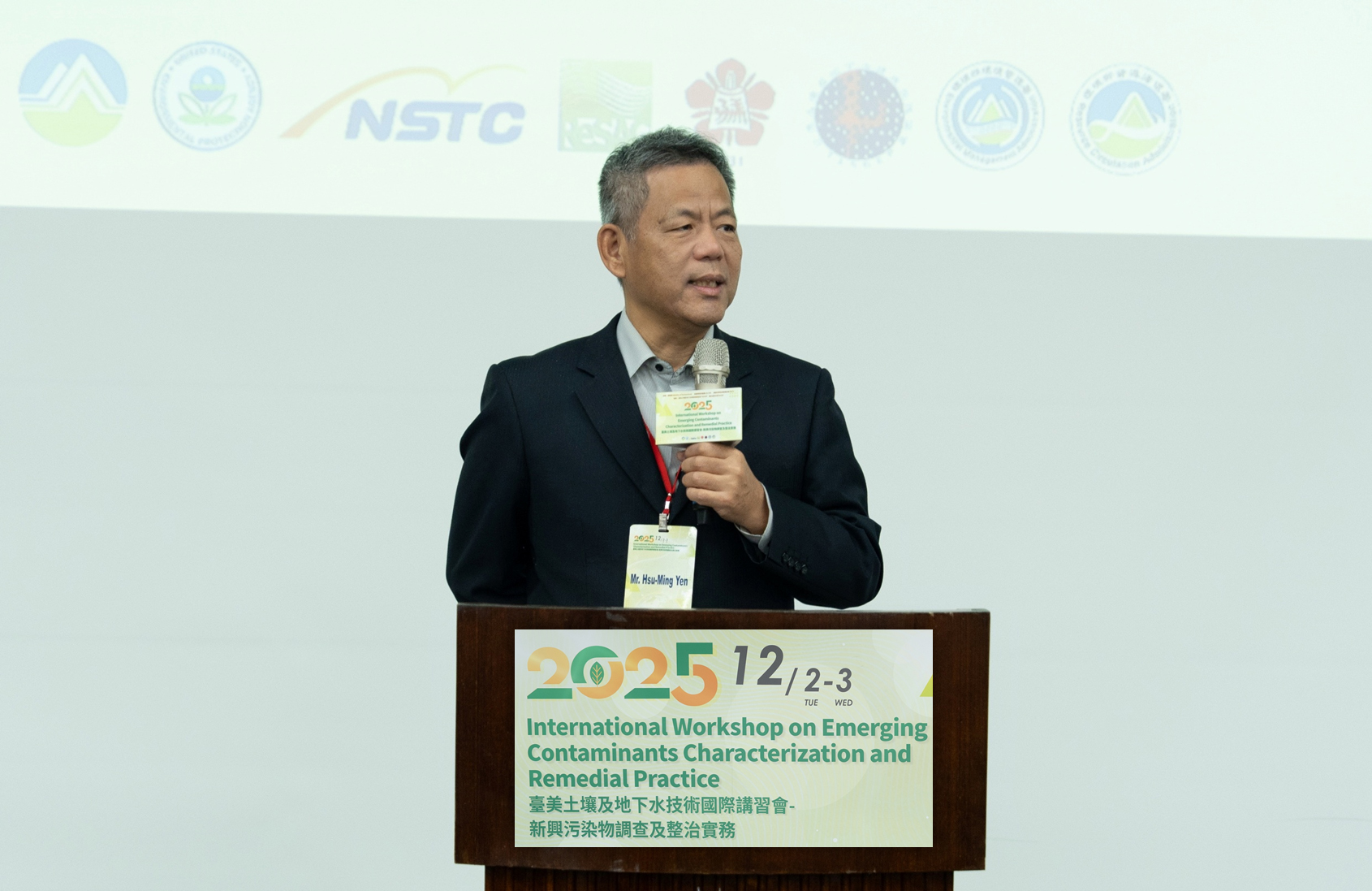
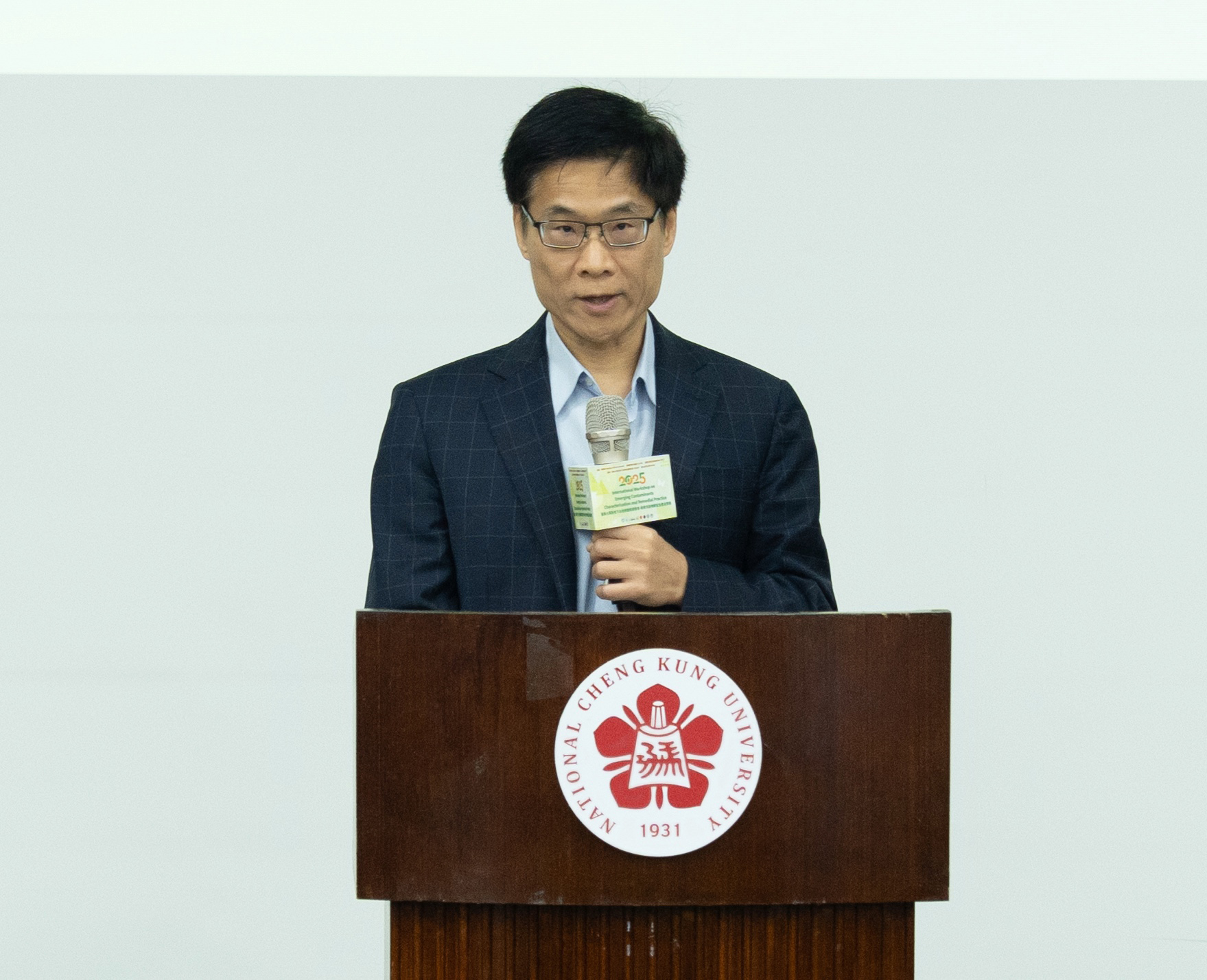
In his opening remarks, EMA Director General Hsu-Ming Yen highlighted that soil and groundwater are vital foundations for public health, agricultural productivity, and ecosystem integrity. Taiwan has steadily strengthened its capacity for emerging contaminant investigation and management. Given the complexity of per- and polyfluoroalkyl substances monitoring, data analysis, and remediation strategies, cross-disciplinary and international collaboration is essential.
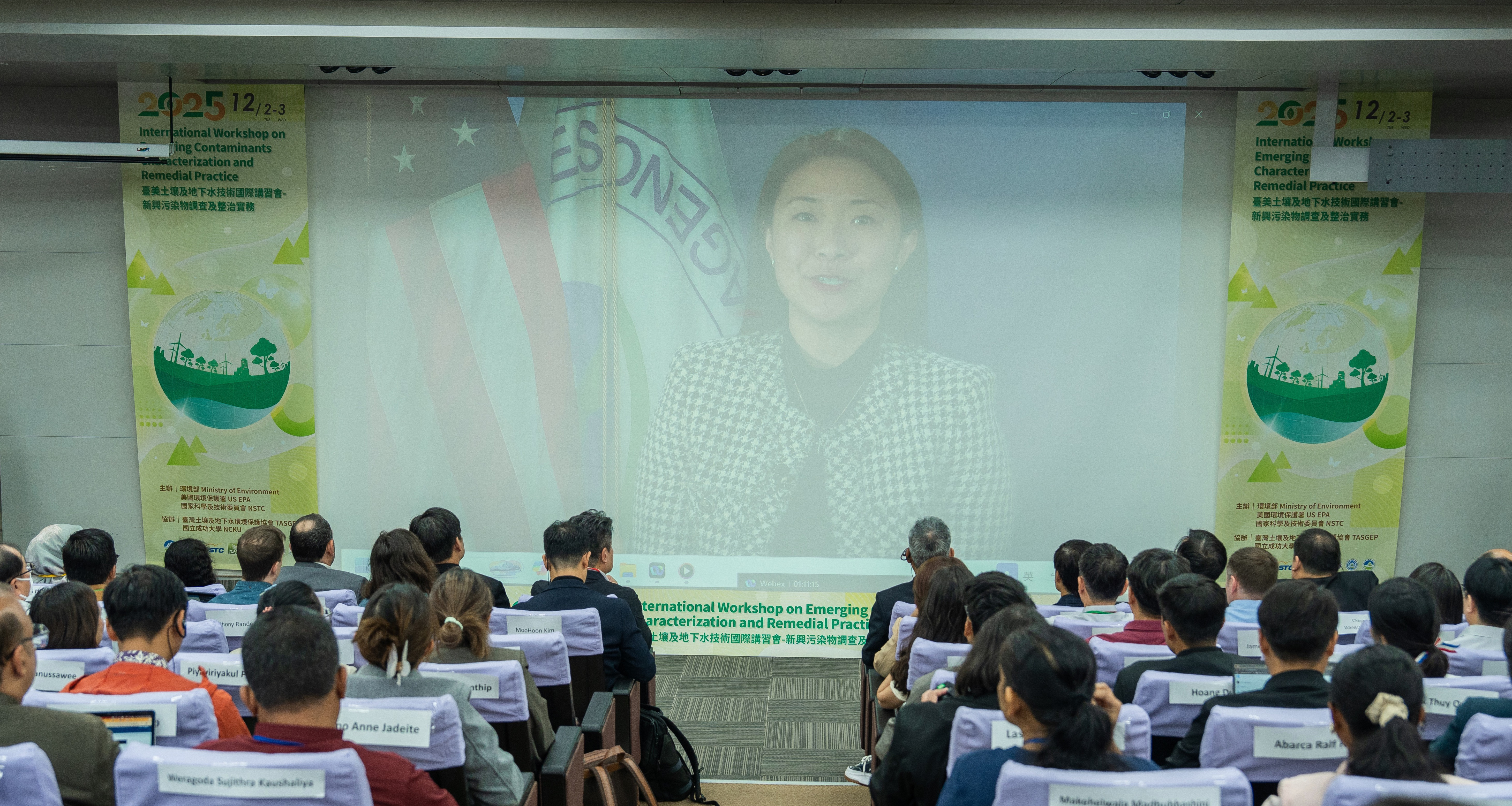
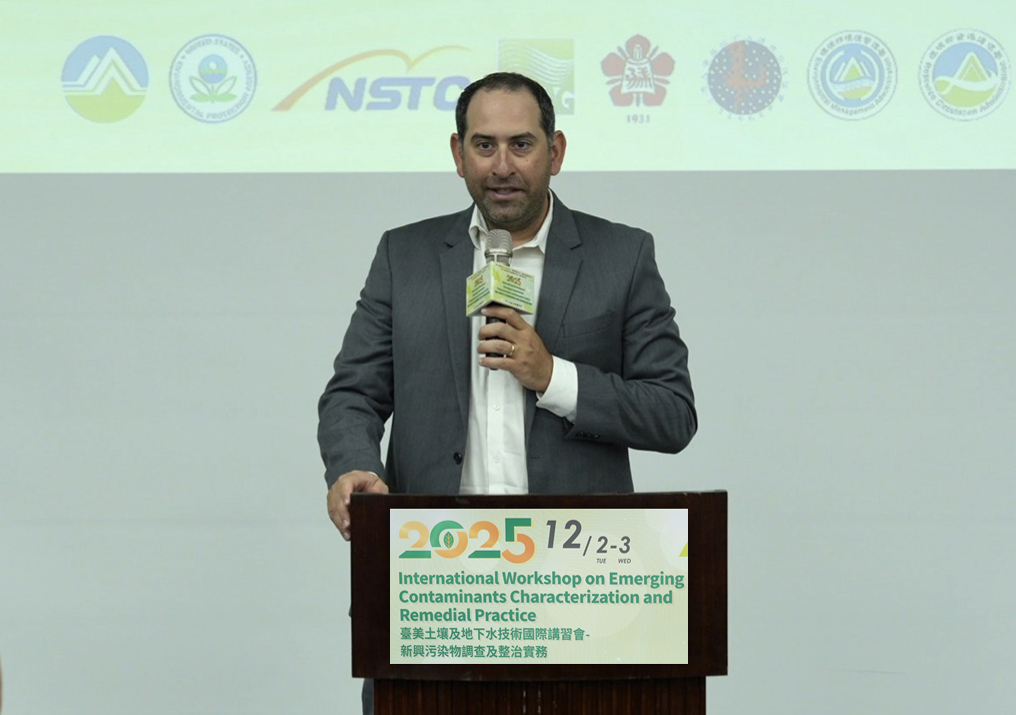
Victoria Tran, Principal Deputy Assistant Administrator for the U.S. EPA Office of International and Tribal Affairs, noted that during her visit to Taiwan in September, she was deeply impressed by Taiwan’s proactive role in global environmental governance. She emphasized that this workshop represents a key outcome of bilateral cooperation under the International Environmental Partnership Program. The United States continues to advance per- and polyfluoroalkyl substances management to ensure the public has access to clean air, land, and water, and she expressed hope that the exchange and collaboration would further enhance both countries’ remediation capabilities
The workshop covered topics including per- and polyfluoroalkyl substances analytical methods, background concentration surveys, and drinking water risk prediction, as well as the latest remediation technologies and case studies such as nanobubble and activated carbon treatment, ex-situ adsorption, and soil thermal treatment. The event helped participants gain insight into international trends and practical applications.
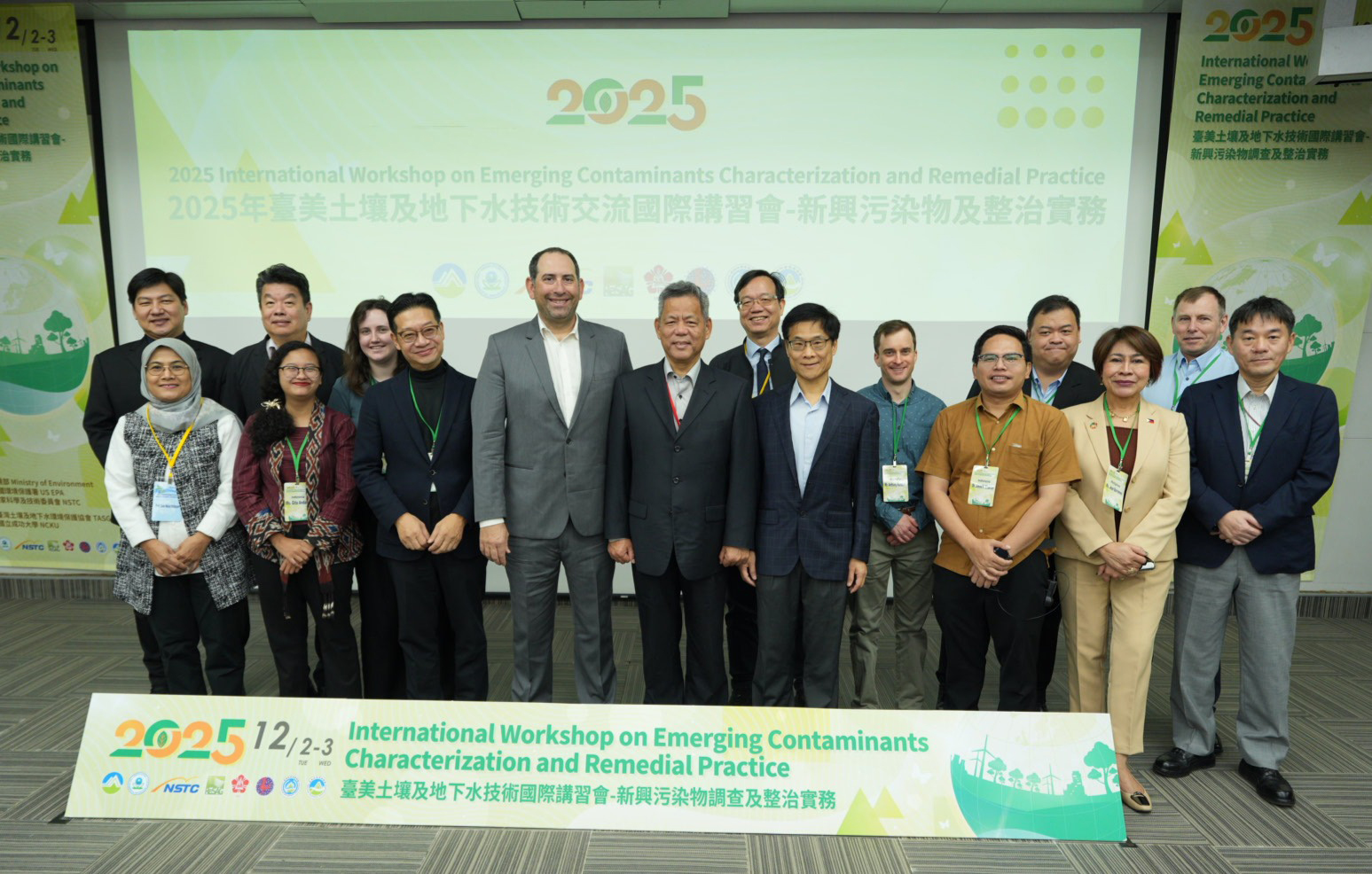
EMA noted that Taiwan currently serves as the chair of the Working Group on Remediation for Soil and Groundwater Pollution of Asian and Pacific Region (ReSAG) and invited representatives from seven member countries to share their remediation status and management strategies. This transnational information exchange strengthens regional governance capacity. Moving forward, Taiwan will continue collaborating with the United States and Asia-Pacific partners to promote pollution prevention, develop green remediation technologies, and exchange experience to enhance emerging contaminant management.
EMA emphasized that soil and groundwater protection represents the final line of defense for environmental safety. Taiwan will continue to integrate advanced international technologies and governance experience to advance sustainable and resilient remediation and prevention strategies, safeguarding soil and water resources in collaboration with regional partners.
Related Images
-
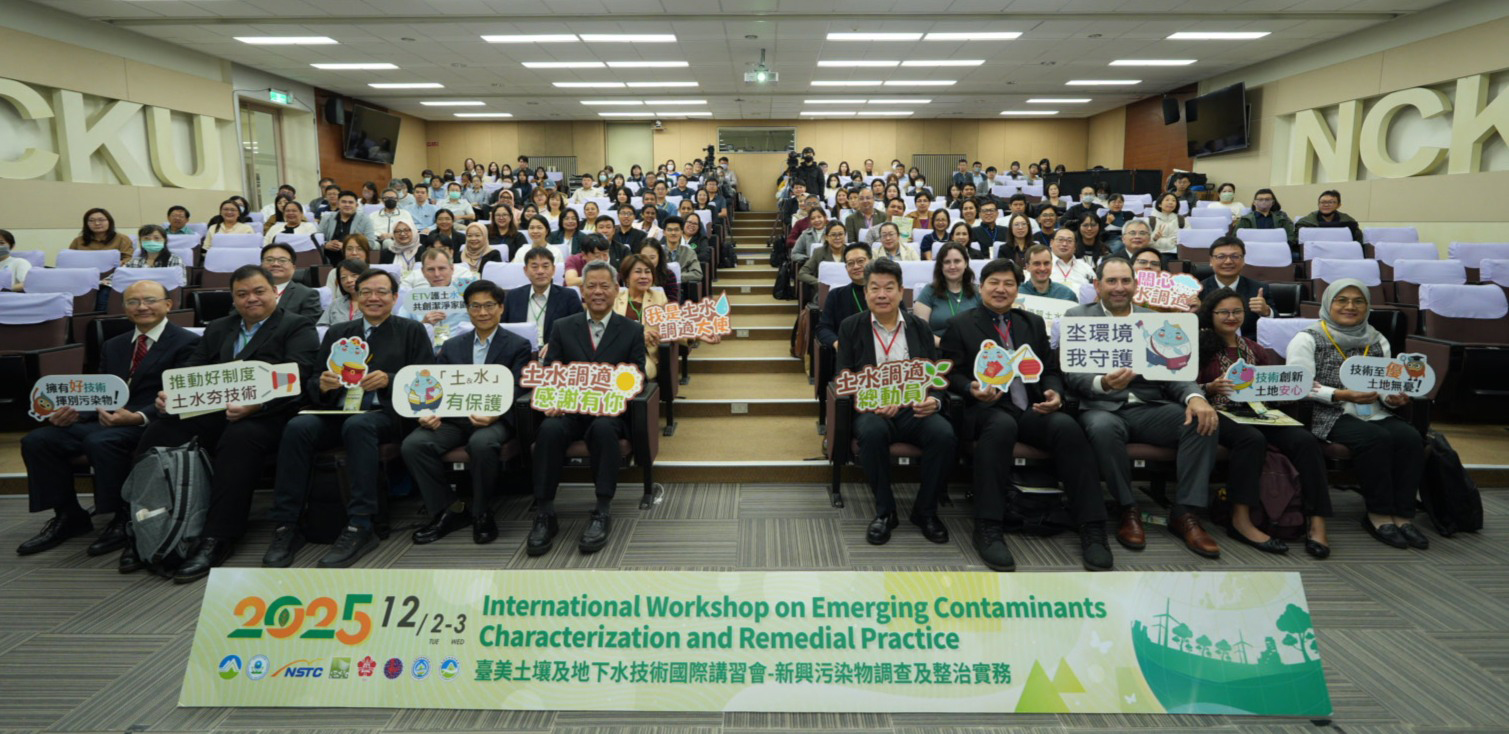 Figure 2. Group photo of all participants.2025-12-02
- Source:
- Ministry of Environment
- Published:
- 2025-12-02
- Updated:
- 2025-12-02
